


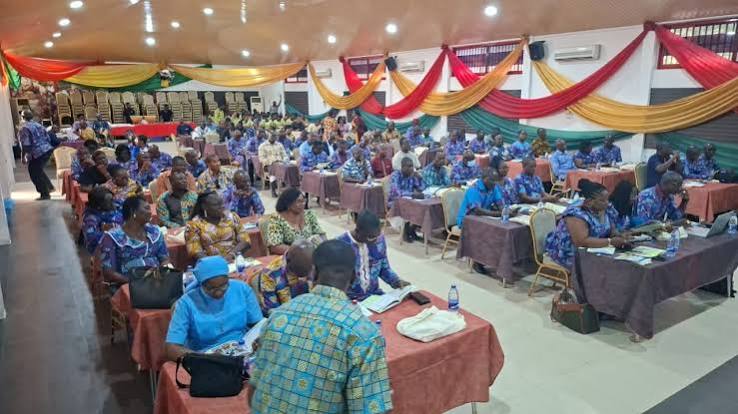

A worrying decline in academic performance has emerged in the Volta Region, with 18 out of 68 Senior High Schools (SHSs) and Senior High Technical Schools (SHTSs) recording zero per cent progression in the 2025 West African Senior School Certificate Examination (WASSCE).
The disclosure was made by the Acting Volta Regional Director of Education, Mrs Marian Jemima Adzroe, during a three-day educational clinic held at Sokode-Lokoe near Ho.
The clinic, organised by the Volta Regional Directorate of Education, was held under the theme “Resetting Education Outcomes: The Future of Volta Region.” It brought together education stakeholders to examine the factors contributing to the region’s declining academic performance and identify practical measures to reverse the trend.
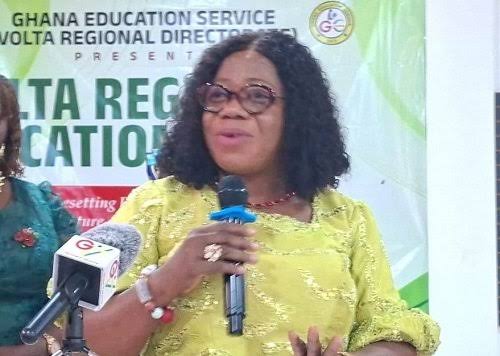
18 schools recorded zero per cent
According to Mrs Adzroe, the analysis of WASSCE results from 2023, 2024 and 2025 shows a worrying downward trend in the region.
She disclosed that 18 of the 68 SHSs and SHTSs in the Volta Region recorded zero per cent in the 2025 WASSCE.
A further nine schools recorded only one per cent, while 27 other schools recorded less than 12 per cent progression in the examination.
The situation was particularly concerning because the decline was observed in core subjects, especially Mathematics and Integrated Science, where the Regional Education Directorate identified systemic challenges affecting academic outcomes.
GES calls for collective action
The Director-General of the Ghana Education Service (GES), Professor Ernest Kofi Davis, called for stronger collaboration among schools, educational institutions and other stakeholders to improve learning outcomes.
In a speech read on his behalf by GES Deputy Director-General Professor Mrs Smile Dzisi, he said improving education should not be regarded as the responsibility of only the Ministry of Education, GES or school heads.
He stressed that stakeholders must work together and share effective practices rather than operate in isolation.
Professor Davis also emphasised that education should go beyond examination results, saying students must acquire the knowledge, skills, values and character needed to become responsible adults and future leaders.
Concern over the future of students
Mrs Adzroe described the poor WASSCE performance as more than a statistical setback, warning that it could affect the future prospects of thousands of young people in the region.
She noted that even some schools that had historically performed strongly had experienced significant declines in their academic results.
The Regional Education Directorate therefore wants stakeholders to use the educational clinic to identify the causes of the poor performance and develop practical interventions capable of improving teaching and learning outcomes.
Education stakeholders urged to act
The three-day clinic represents an effort by education authorities in the Volta Region to confront the challenges affecting secondary education.
The discussions are expected to focus on improving teaching and learning, strengthening support for students, addressing challenges in core subjects and encouraging greater cooperation among schools and education stakeholders.
The latest figures have renewed calls for urgent action to prevent further deterioration in academic performance and ensure that students in the Volta Region receive the quality education needed to compete effectively at the national level.


Leave a comment