


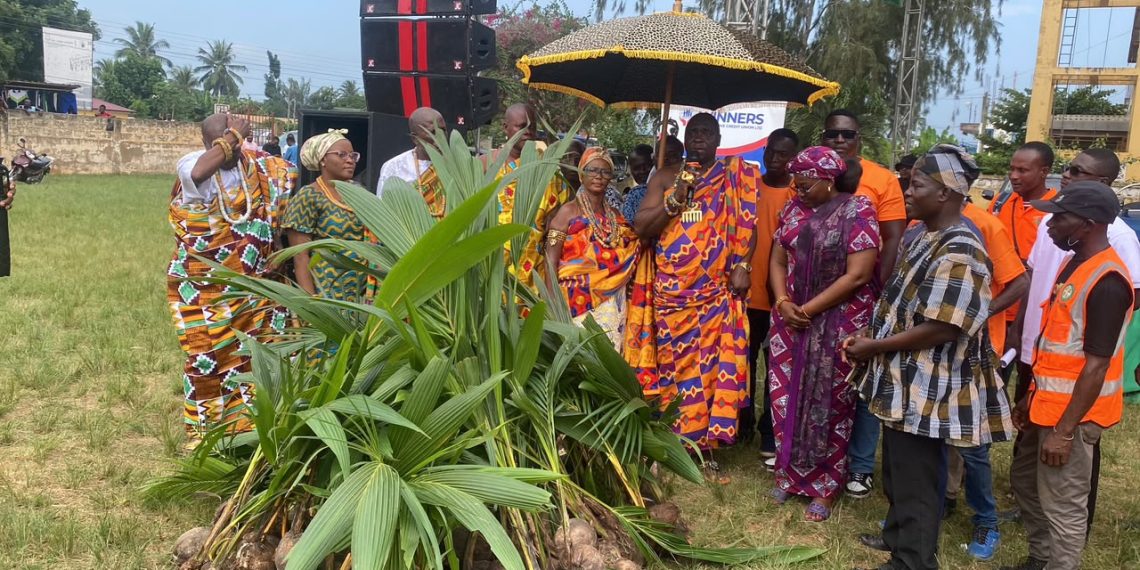

VOLTA REGION, Ghana — Stakeholders have called for stronger financial literacy and entrepreneurial education for young people, saying practical economic knowledge is essential to helping the youth build sustainable livelihoods and become financially independent.
The call was made during discussions on youth development and economic empowerment, where participants stressed the need to equip young people with skills that go beyond traditional academic education.
According to the stakeholders, many young people face difficulties managing money, starting businesses and identifying sustainable income opportunities. They therefore believe financial education and entrepreneurship should receive greater attention in schools, communities and youth development programmes.
Building Practical Skills
Stakeholders noted that young people need to understand important financial concepts such as budgeting, saving, investment, responsible borrowing and business management.
They also advocated increased access to entrepreneurship training, mentorship and practical business opportunities to enable young people to turn their ideas and skills into viable enterprises.
The stakeholders said combining financial literacy with entrepreneurship could help reduce youth unemployment while encouraging innovation and self-employment.
Call for Greater Investment in Youth
They urged government institutions, educational authorities, private businesses, financial institutions and development organisations to work together to expand financial and entrepreneurial education programmes.
They also encouraged schools to introduce more practical lessons that prepare students for life after graduation, including basic business planning, personal financial management and digital entrepreneurship.
For young people in the Volta Region, stakeholders believe such programmes could create opportunities for those interested in agriculture, technology, tourism, creative industries, trading and other emerging sectors.
Empowering the Next Generation
The stakeholders emphasised that empowering young people with financial knowledge should be viewed as a long-term investment in Ghana’s economic development.
They believe a financially educated and entrepreneurial youth population will be better positioned to create jobs, manage businesses effectively and contribute meaningfully to their communities.
They therefore called for sustained investment in youth skills development and programmes that provide young people with both knowledge and practical opportunities to build sustainable livelihoods.


Leave a comment